
How to Organize Your Suitcase for a Smooth Trip: Essential Tips for Stress-Free Packing
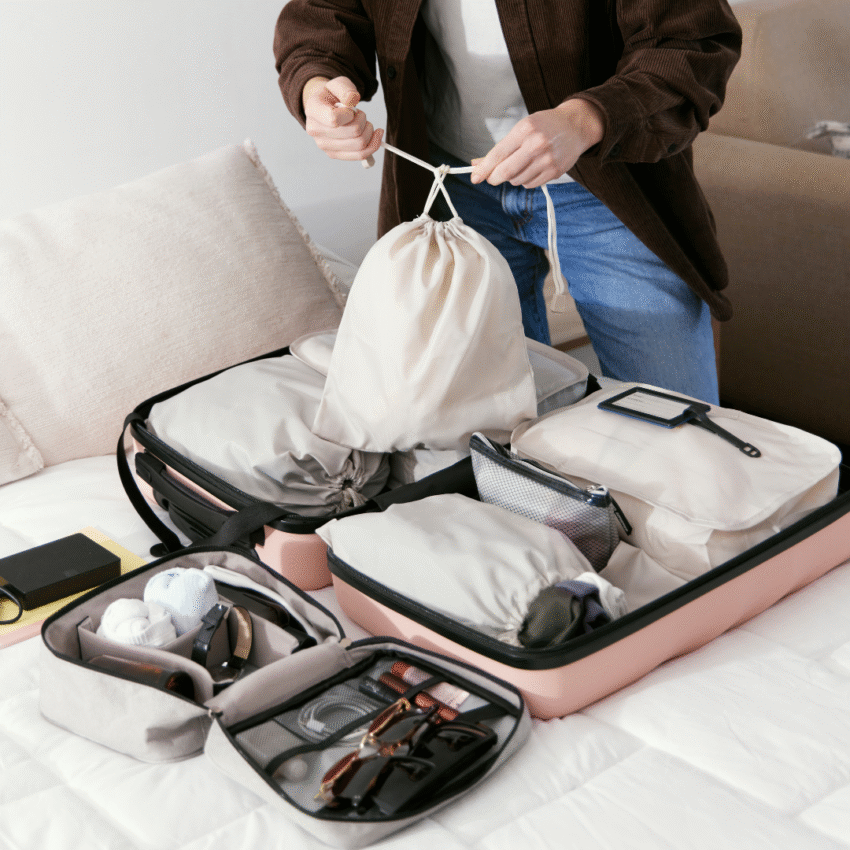
Packing for a trip can often feel overwhelming, yet it doesn’t have to be. An organized suitcase not only saves time during packing but also makes the travel experience smoother. By knowing how to efficiently arrange essentials, travelers can avoid the stress of rummaging through disorganized bags at airports or hotels.
To start, it is crucial to categorize items into sections such as clothing, toiletries, and electronics. By utilizing packing cubes or compression bags, one can streamline space and keep items easily accessible. This method can simplify the packing process and allow for more room for souvenirs or additional items picked up along the journey.
Incorporating strategies like rolling clothes for better space optimization or creating a packing list can further enhance the travel experience. With these techniques in mind, travelers can ensure they have everything they need while minimizing clutter and hassle during their adventures.
Essential Pre-Packing Steps
Preparing for a trip involves carefully planning and organizing. Taking specific steps can streamline the packing process and ensure nothing essential is overlooked.
Study Your Destination and Itinerary
Understanding the destination is crucial. Research the climate, cultural norms, and any specific dress codes. This helps in selecting suitable clothing and accessories.
It’s also important to consider planned activities. Whether it’s hiking, dining, or attending events influences what to pack. Notes about local customs can guide choices on attire.
A quick review of the itinerary provides clarity. This ensures packing aligns with daily activities. Make a list of required items based on this information.
Create a Travel Packing Checklist
A packing checklist serves as a vital tool. It helps in organizing items systematically. Start with categories such as clothing, toiletries, and documents.
For clothing, specify types (e.g., casual, formal) and quantities. Include essentials like underwear and socks, and don’t forget shoes suited for activities planned.
Toiletries often get overlooked. Include travel-sized versions of all necessary items. Ensure documents like passports and tickets are noted and packed early.
Select the Ideal Medium-Sized Suitcase
Choosing the right suitcase is key. A medium-sized suitcase offers a good balance between capacity and portability. It should fit in overhead compartments while providing enough space for belongings.
Consider materials that are durable yet lightweight. Features like wheels, handles, and security locks enhance convenience and protection.
Check the dimensions and weight restrictions of airlines. This helps avoid extra fees at the airport. Compartments or packing cubes can aid organization inside the suitcase, allowing for easier access to items during the trip.
Smart Packing Techniques for Organization
Effective packing can greatly enhance travel experiences. Employing specific techniques can lead to better organization and more efficient use of space in a suitcase.
Use Packing Cubes for Efficient Space Management
Packing cubes are an essential tool for maximizing suitcase space. They compartmentalize items, allowing for better organization and accessibility.
Using various sizes of cubes, one can categorize items such as clothing, shoes, and toiletries. For instance, larger cubes can store bulkier garments like jackets, while smaller ones are ideal for undergarments and accessories.
When filled, packing cubes can interlock, making it easier to fit them together in a suitcase. This method not only saves space but also streamlines the packing process, making it more effective. Simply unzip a cube to access its contents without unpacking the entire bag.
Strategically Separate Clothing and Accessories
Separating clothing from accessories can mitigate clutter and confusion during travel. One effective way to do this is by using designated areas within the suitcase.
For clothing, she can roll garments to save space and minimize wrinkles. Accessories such as jewelry or belts can be stored in small pouches or pockets. This prevents tangling and makes finding items simpler.
Additionally, labeling each section can further aid in organization. Using small zip-lock bags for items like chargers or toiletries helps keep everything in its place. By following this method, one can create a tidy and efficient packed suitcase.
Keep Essential Items Easy to Access
Having essential items easily accessible can reduce stress during transit. Important documents, electronics, and medications should be packed in a reach-in pocket or at the top of the suitcase.
For instance, a travel wallet can hold passports, boarding passes, and cash. Keeping these items together ensures she won’t have to rummage through the bag at security checks.
Snacks and hygiene products should also be readily available. Using a small pouch or front compartment for these essentials can make traveling smoother. Easy access to key items contributes to a more enjoyable and organized journey.
Avoiding Overpacking and Staying Streamlined
Staying organized while packing is key to a smooth trip. Some strategies can help travelers avoid overpacking and ensure their luggage remains manageable.
Edit Your Selections for Versatility
Selecting versatile clothing items is essential. Travelers should choose pieces that can be mixed and matched easily.
Example of Versatile Items:
- Neutral tops that pair with various bottoms
- A lightweight cardigan for layering
- Comfortable shoes suitable for different activities
Assess each item for multiple uses. If an article of clothing can only serve a single purpose, it may not be worth including. Aim for a curated wardrobe that allows for creativity without excess.
Limit Shoes and Bulkier Items
Footwear tends to take up significant space. Limiting the number of pairs is crucial.
Recommended Strategy:
- Pack no more than two pairs of shoes:
- One pair for casual wear
- One pair for formal or outdoor activities
Also, avoid bulky items that consume too much luggage space. Instead, opt for lightweight fabrics and less structured pieces. Compression packing cubes can help reduce the bulk of clothing while providing organization.
Plan Outfits and Reduce Duplicates
Planning outfits ahead of time minimizes the risk of overpacking. Creating a daily itinerary can clarify what to pack.
Steps for Effective Planning:
- Create a list of activities for the trip.
- Assign outfits for each day based on activities.
- Limit duplicates of similar items like shirts or pants.
Each outfit should consider layering options to adapt to changing weather. By strategically planning and avoiding unnecessary duplicates, travelers can streamline their packing efficiently.
Final Touches for a Smooth Departure
Before leaving for a trip, ensuring that luggage is properly identified and essential items are accounted for can minimize stress. Attention to these details can provide peace of mind as the journey begins.
Add Luggage Tags and Identification
Luggage tags serve a crucial role in identifying bags and ensuring they reach their intended destination. Each tag should include the traveler’s name, address, and contact number.
Using durable tags that can withstand rough handling is wise. Consider using bright colors or distinctive designs to make bags easily recognizable on the carousel. Some travelers may prefer electronic tags, which can be updated with current information via smartphones.
Additionally, it is advised to place a copy of the travel itinerary and emergency contact information inside the luggage. This adds an extra layer of security should the external tag become lost or unreadable.
Double-Check Your Essentials
Taking a moment to double-check essential items before departure is key. Travelers should create a checklist that includes documents such as passports, boarding passes, and hotel confirmations. This reduces the chance of leaving important items behind.
Other essentials may include chargers, medications, and personal toiletries. It can be helpful to pack these items in an easily accessible section of the suitcase or a separate carry-on.
A last-minute walk-through of items can help ensure nothing important is overlooked. This proactive step can lead to a more comfortable start to the trip without unnecessary last-minute rushing.

Leave a Reply