
How to Balance Screen Time and Real-Life Fun While Traveling: Tips for a Fulfilling Adventure
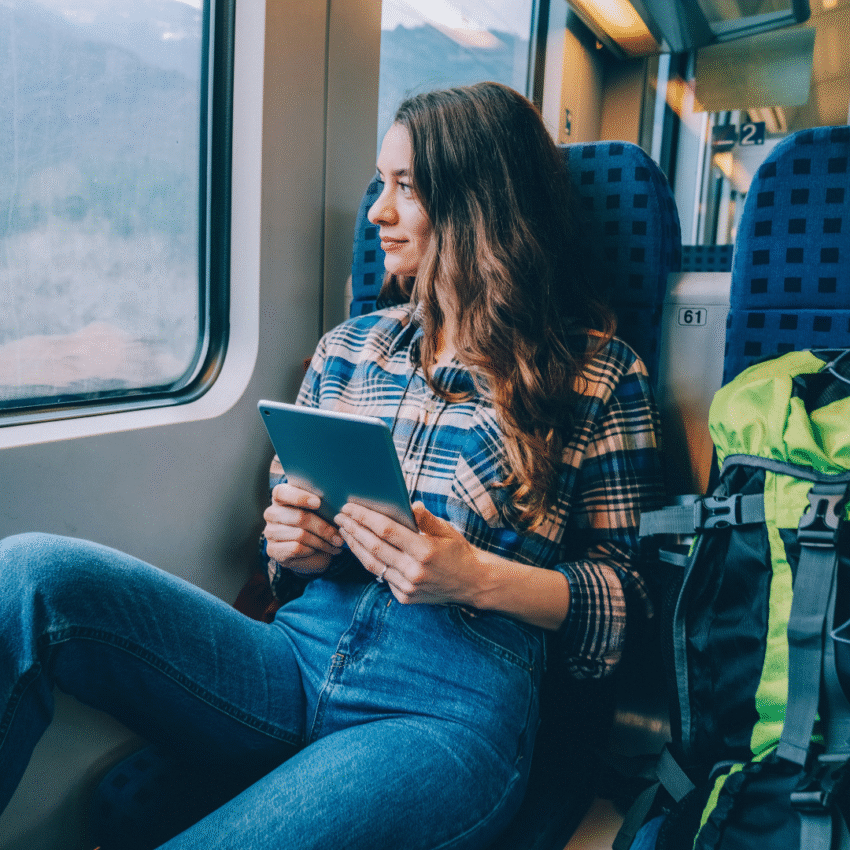
Traveling offers a unique opportunity to create lasting memories, yet the temptation of screens can overshadow real-life experiences. To truly enjoy travel, one must find a balance between digital engagement and immersing in the environment. By setting intentional limits on device usage, travelers can enhance their adventures and foster deeper connections with both their surroundings and companions.
Many travelers struggle with the pull of social media, games, or streaming services, which can detract from the essence of exploration. Incorporating activities such as unplugged sightseeing, local experiences, or engaging conversations helps cultivate a richer journey. Mindfulness about screen time allows individuals to savor moments, rather than merely documenting them.
Achieving this balance encourages a more fulfilling travel experience. By prioritizing in-the-moment enjoyment and deliberately reducing screen time, one can explore destinations authentically, resulting in memories that far surpass anything created through a screen.
Why Balancing Screen Time and Real-Life Fun Matters While Traveling
Finding the right balance between screen time and real-life experiences is essential for enhancing travel enjoyment. Excessive screen time can detract from genuine interactions and physical well-being, affecting both mental health and overall travel satisfaction.
Impact of Excessive Screen Time on Travel Experiences
Excessive screen time can significantly diminish travel experiences. When individuals focus too much on their devices, they may miss out on unique local interactions, scenic views, and cultural immersion. Frequent checking of phones or tablets can lead to a disconnection from the present moment.
Travelers may also feel the urge to curate their experiences for social media, further detracting from their enjoyment. This can lead to a cycle where the focus on posting overshadows genuine exploration. Memories formed through authentic experiences tend to be more rewarding and memorable.
Mental Health Considerations for Travelers
Screen time can directly affect mental health, particularly during travel. High levels of anxiety and stress can arise when individuals spend too much time on devices, especially if they engage in negative comparisons on social media.
Additionally, excessive screen use can lead to feelings of isolation. Travelers may find themselves physically surrounded by new experiences but mentally distracted by their devices. Balancing screen time with real-life interactions can help alleviate anxiety and foster a deeper sense of connection to both travel companions and the destinations.
How Screens Affect Physical Activity and Sleep Quality
Screens can hinder travelers’ physical activity levels. The temptation to remain sedentary while engaged with devices can lead to missed opportunities for exploration, such as walking tours or outdoor activities. Engaging with the environment enhances physical health and provides more wholesome experiences.
Sleep quality may also suffer due to excessive screen time. Exposure to blue light from screens can interfere with the body’s natural sleep-wake cycle, leading to insomnia or restless nights. Prioritizing real-life activities during the day can promote better sleep and overall health, enhancing one’s ability to enjoy and engage with travel experiences.
Establishing Healthy Screen Habits on the Road
Creating a balance between screen time and real-life experiences is essential while traveling. Fostering healthy habits can enhance enjoyment and minimize distractions from digital devices.
Defining Personal Limits and Screen-Free Zones
Setting clear limits on screen time is crucial for maintaining focus on travel experiences. Travelers can establish personal guidelines, such as allocating specific hours for device use. For example, designating an hour in the morning for planning and an hour in the evening for winding down allows for more engaged exploration.
Creating screen-free zones can further enhance travel experiences. Areas like dining spaces or scenic viewpoints should be free of devices. This fosters intentional interaction with companions and the environment, reducing reliance on screens.
Utilizing Digital Tools to Manage Screen Time
Various applications can assist travelers in managing screen time effectively. Tools like screen time trackers provide valuable insights into daily usage and help to identify patterns. These apps can support users in setting daily limits and sending reminders when it’s time to disconnect.
Digital wellness settings available on smartphones can also aid in reducing blue light exposure, which may contribute to eye strain. Adjusting screen brightness and activating “night mode” during designated use times allows for a more comfortable experience while still engaging with devices.
Strategies for Overcoming Digital Distractions
Overcoming digital distractions requires intentional efforts. Travelers can adopt techniques like turning off non-essential notifications. This minimizes interruptions and encourages focus on surroundings rather than devices.
Practicing mindfulness can also assist in staying present during travel. Techniques such as deep breathing or guided meditation can foster a connection to the moment, making it easier to resist the urge to check devices frequently. Engaging in activities like journaling or drawing can serve as productive alternatives to screen time, enriching the overall travel experience.
Maximizing Real-Life Connections and Activities During Travel
Fostering real-life connections and engaging in activities can enhance the travel experience significantly. Prioritizing face-to-face interactions and participating in screen-free activities encourages meaningful relationships and lasting memories.
Prioritizing Face-to-Face Interactions
Travel provides a unique opportunity to connect with others in person. Engage with locals by visiting community events, markets, or cultural festivals. These settings offer chances to learn and share experiences that transcend digital communication.
Dining at local restaurants is another effective way to engage face-to-face. Rather than ordering takeaway, travelers can enjoy meals with companions or locals, allowing for authentic conversations. Use this time to immerse oneself in the culture, asking for recommendations or sharing stories.
Joining guided tours or group activities fosters camaraderie among participants. These shared experiences often lead to friendship, adding value to the trip.
Creative Screen-Free Activities for Travelers
Exploring new destinations should include activities that do not involve screens. Hikes, bike rides, and nature walks provide physical engagement with the environment. Packing a journal and encouraging participants to write their experiences can deepen reflections on the trip.
Photography can be a screen-free activity too, using a camera instead of a smartphone. This promotes mindfulness as travelers focus on capturing moments without constant digital distractions. Simple games like cards or board games also offer enjoyable screen-free entertainment, enhancing group interactions.
Consider participating in volunteer opportunities. Engaging in community service creates connections with locals while contributing positively to the surroundings.
Fostering Family Time and Group Engagement
Travel is an excellent chance to bond with family or friends. Each experience can strengthen relationships, making it essential to allocate screen-free periods for group activities. Planning a picnic at a local park or a beach day allows for relaxed interaction and fun.
Organizing group tours or workshops creates memorable experiences. Cooking classes or craft sessions can encourage teamwork and provide a lasting keepsake. Additionally, setting limits on screen time can help keep conversations flowing and focus on the present moment.
Regular check-ins about group preferences foster inclusivity. This communication allows everyone to participate in the decision-making process, enhancing group dynamics and satisfaction.
Making Screen Time Productive and Meaningful
Maximizing screen time during travel can enhance experiences and foster productivity. By selecting purposeful digital activities and incorporating regular breaks, travelers can strike a balance between online engagement and real-life adventures.
Choosing Value-Added Digital Experiences
Travelers should prioritize digital content that enriches their journeys. This includes educational apps, language tools, and interactive travel guides. By using platforms like Duolingo for language learning or TripAdvisor for local recommendations, they can gain insights that elevate their experience.
Additionally, utilizing apps for organizing itineraries can streamline travel plans and reduce stress. Ensuring that screen time includes engaging and constructive content is crucial. This may involve using mobile platforms to learn about local culture or history, enhancing the connection to the destination.
Scheduling Regular Breaks for Better Well-being
Incorporating regular screen breaks is vital for maintaining mental health while traveling. Setting timers for every hour of screen use can rejuvenate focus and energy. These intervals provide an opportunity to explore surroundings, engage with travel companions, or simply enjoy the moment.
Practicing mindfulness during breaks can also enhance enjoyment. Simple activities like deep breathing or observing nature can help travelers reconnect with their environment. Allocating specific times for screens, while ensuring ample offline moments, promotes a balanced approach that fosters both productivity and enjoyment.



Leave a Reply