How to Pack Light When Traveling with Kids: Essential Tips for Stress-Free Family Adventures
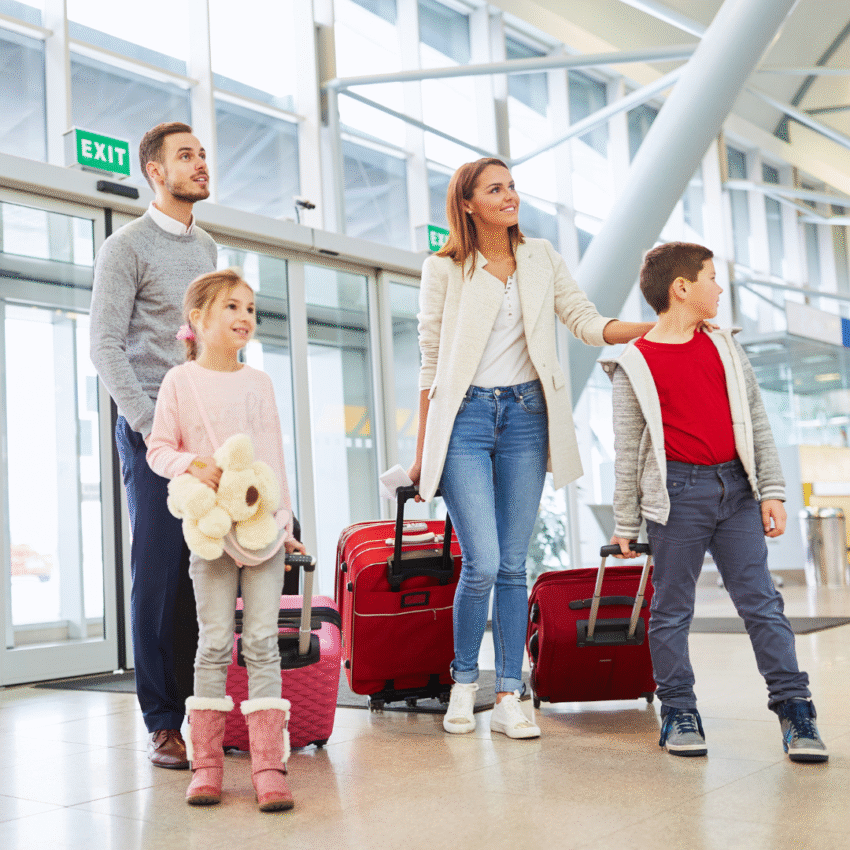
Packing light for family travel can seem like a daunting task, especially when children are involved. With thoughtful planning and strategic choices, it’s entirely possible to minimize luggage while still ensuring that everyone has what they need. Every extra item adds weight and complexity, making it essential to select versatile clothing and travel-friendly gear.
Parents often struggle with balancing necessities and comfort, which is where a smart packing strategy comes in. Choosing multi-use items, such as a stroller that doubles as a carrier, and planning outfits that can be mixed and matched, can significantly reduce the amount of luggage. Taking the time to prioritize and consider what is truly needed can lead to a more enjoyable travel experience.
Adopting a minimalist mindset enables families to navigate airports and accommodations with ease. Packing efficiently not only lightens the load but also fosters a sense of freedom during adventures. Embracing a streamlined packing approach encourages families to focus on creating memories rather than managing cumbersome baggage.
Essentials Of Packing Light With Kids
Packing light when traveling with children requires thoughtful planning and an understanding of family travel needs. Focusing on necessities can ensure a smoother experience for everyone involved.
Understanding Family Travel Needs
Traveling with kids means assessing specific needs that arise during trips. Parents should consider the ages of their children, their interests, and any special requirements.
For younger children, essentials may include diapers, wipes, and a compact stroller. For older kids, items like portable games, snacks, or books become crucial.
It’s also important to account for various climates and activities. This includes clothing layers for unpredictable weather and items for entertainment during downtime.
Benefits Of Traveling Light With Children
Traveling light can significantly reduce stress and simplify family adventures. A lighter load makes navigating through airports, train stations, or other transport easier, allowing families to move more freely.
Fewer bags can also mean less time spent on organization and packing. Parents can focus more on creating memories rather than managing excessive luggage.
Additionally, packing light promotes flexibility. Families can take spontaneous detours or make last-minute changes without being hindered by bulky gear. This adaptability can make for a more enjoyable travel experience.
Prioritizing Your Packing List
Creating a prioritized packing list is key to effective lightweight packing. Families should start by listing essential items first, such as medications, travel documents, and any critical items for children.
Next, they should consider versatile clothing options. Choosing clothing that can mix and match will help maintain a smaller wardrobe. Quick-dry materials can save space and be practical for various activities.
Finally, evaluate each item’s necessity. Use the “one-in, one-out” rule to keep luggage manageable. If a new item is added, something must be removed. This approach keeps the packing process streamlined and efficient.
Strategic Packing Techniques
Packing light for trips with children requires strategic planning. Implementing a few effective techniques can lead to a more organized and stress-free travel experience.
Using Packing Cubes Effectively
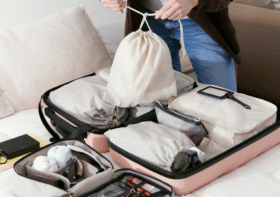
Packing cubes are essential when traveling with kids. They help organize clothing and gear, ensuring easy access to essentials.
- Organize by Category: Assign each cube a specific purpose, like one for shirts, another for pants, and a separate one for accessories.
- Color Coding: Use different colors for each child, making it easier to locate items quickly.
- Compression: Choose compression cubes to save space. They allow for packing more items while keeping the luggage tidy.
By keeping everything compartmentalized, finding needed items becomes straightforward, minimizing the chance of overpacking.
Maximizing Carry-On Luggage
Carry-on luggage is vital for families, as it provides essential items during travel. Strategic packing can maximize these spaces.
- Choose the Right Size: Select a carry-on that meets airline requirements but offers enough room for key items. Consider soft-sided cases that can expand slightly.
- Essentials First: Pack snacks, entertainment, and a change of clothes at the top for easy access.
- Shared Space: Utilize pockets and side compartments for smaller items, creating additional storage options.
Using a carry-on efficiently allows families to keep essentials close, reducing the need for cumbersome checked baggage.
Embracing Capsule Wardrobe And Versatile Clothing
A capsule wardrobe simplifies packing by focusing on essential, versatile pieces. This method is practical for kids.
- Mix and Match: Choose items that can be worn together in multiple outfits. For example, a pair of shorts can pair with various shirts.
- Layering Options: Include a light sweater or jacket that coordinates with many outfits. This layer can adapt to changing weather conditions.
- Comfort and Function: Opt for comfortable clothing that allows freedom of movement. Fabrics that are easy to wash and dry quickly enhance practicality.
Implementing a capsule wardrobe strategy can lead to a significantly lighter load while maintaining style and comfort for kids during travel.
Smart Gear And Item Selection
Selecting the right gear and items is essential for packing light while traveling with kids. By focusing on practicality and multifunctionality, parents can streamline their packing process and reduce the amount of gear they bring.
Limiting Shoes And Multipurpose Items
Parents should limit each child to two pairs of shoes: one comfortable pair for daily activities and another for special occasions. This helps keep the packing minimal while ensuring the kids have suitable footwear.
Choosing multipurpose items, such as a jacket that is both waterproof and warm, eliminates the need for extra clothing. Look for travel-friendly clothing made from quick-dry, lightweight fabrics that can be layered, which can adapt to different weather conditions.
Packing List Example:
- Casual shoes
- Dress shoes or sandals
- Multipurpose jacket (waterproof and warm)
Choosing The Right Baby Carrier And Travel Accessories
When traveling with infants or toddlers, a versatile baby carrier is crucial. A carrier that can be worn on the front or back allows for flexibility while managing limited luggage.
Investing in compact travel accessories can significantly ease the journey. Options such as collapsible high chairs, portable cribs, and foldable strollers provide easy transport without adding bulk. These items should be lightweight and easy to set up.
Recommended Accessories:
- Versatile baby carrier
- Collapsible high chair
- Portable crib
Minimizing Toiletries And Personal Items
Toiletries can quickly take up space in luggage. Parents should opt for travel-sized products or decant larger containers into smaller, refillable bottles.
Consider solid alternatives, such as bar soap and solid shampoo, as they often take up less space and are easier to carry. Encourage the kids to pack minimal personal items like a single favorite toy or book to maintain emotional comfort without excessive bulk.
Toiletry Packing Tips:
- Use travel-sized containers
- Choose solid products (soap, shampoo)
- Limit personal items to essentials
On-The-Go Organization For Stress-Free Travel
Effective organization is key to traveling light with kids. Streamlined packing and smart weight distribution can greatly enhance the travel experience. Leveraging local resources can also aid in reducing the load.
Creating An Effective Packing List
A well-crafted packing list simplifies the travel process. Begin by identifying essential items for each family member. It’s effective to categorize belongings into clothing, toiletries, and entertainment.
Utilize a checklist format:
- Clothing:
- Shirts and pants (consider layers for varying climates)
- Sleepwear
- Underwear and socks
- Toiletries:
- Travel-sized shampoo, soap, and toothpaste
- Baby wipes and a first-aid kit
- Entertainment:
- Books, portable games, or electronic devices
Review the list before departure to avoid forgetting anything important.
Distributing Weight Across Family Members
To travel light, distribute items evenly among family members. This approach not only balances the load but also gives each child a sense of responsibility.
Some practical tips include:
- Assign a Daypack to Each Child: Include lightweight toys or snacks.
- Rotate Carrying Duties: During travel breaks, switch packs so the load feels lighter.
- Use Compression Bags: These can effectively reduce bulk in luggage.
This strategy minimizes fatigue and makes the journey more enjoyable for everyone.
Adapting To Local Laundry And Rental Options
When traveling with kids, knowing local laundry options can significantly reduce packing needs. Assess the availability of laundromats or hotel services at the destination.
Additionally, consider rental services for gear such as:
- Strollers or Car Seats: These can be bulky and unnecessary to pack.
- Baby Equipment: Rentals may include cribs and high chairs, which frees up extra space.
Research local rental shops online before departure. This helps in making informed choices about what to pack and what to rent, allowing for a lighter load and easy travel.
Leave a Reply